Christophe Basso Designing Control Loops For Linear And Switching Power Supplies Pdf 🎁 Works 100%

A control loop is a feedback loop that monitors the output of a power supply and adjusts the control signal to maintain a stable output voltage or current. The control loop consists of several key components, including a sensor, a comparator, a controller, and an actuator. The sensor measures the output voltage or current, while the comparator compares the measured value to a reference voltage. The controller then generates a control signal based on the error between the measured and reference values, and the actuator adjusts the power supply’s output to correct the error.

Basso’s approach to control loop design emphasizes the importance of understanding the underlying principles of control loop design, including loop gain, loop bandwidth, and phase margin. He also provides practical advice on how to design and optimize control loops for linear and switching power supplies.

Switching power supplies use a switching regulator to control the output voltage. The control loop in a switching power supply is more complex than in a linear power supply, with a voltage sensor, a comparator, a controller, and a power switch. The voltage sensor measures the output voltage, and the comparator compares it to a reference voltage. The error signal is then processed by the controller, which generates a control signal to control the power switch.

Designing Control Loops for Linear and Switching Power Supplies: A Comprehensive Guide by Christophe Basso**

In conclusion, designing control loops for linear and switching power supplies is a complex task that requires a deep understanding of the underlying principles. Christophe Basso’s work provides a valuable resource for designers looking to optimize their control loop designs. By understanding the key considerations and principles of control loop design, designers can create power supplies that are efficient, reliable, and stable.

Power supplies are a crucial component in many electronic systems, and their performance has a significant impact on the overall efficiency and reliability of the system. One of the key aspects of power supply design is the control loop, which plays a critical role in regulating the output voltage and current. In this article, we will explore the principles of designing control loops for linear and switching power supplies, with a focus on the work of Christophe Basso, a renowned expert in the field.

Linear power supplies use a linear regulator to control the output voltage. The control loop in a linear power supply is relatively simple, with a voltage sensor, a comparator, and a pass transistor. The voltage sensor measures the output voltage, and the comparator compares it to a reference voltage. The error signal is then amplified and used to control the pass transistor, which adjusts the output voltage.

A control loop is a feedback loop that monitors the output of a power supply and adjusts the control signal to maintain a stable output voltage or current. The control loop consists of several key components, including a sensor, a comparator, a controller, and an actuator. The sensor measures the output voltage or current, while the comparator compares the measured value to a reference voltage. The controller then generates a control signal based on the error between the measured and reference values, and the actuator adjusts the power supply’s output to correct the error.

Basso’s approach to control loop design emphasizes the importance of understanding the underlying principles of control loop design, including loop gain, loop bandwidth, and phase margin. He also provides practical advice on how to design and optimize control loops for linear and switching power supplies.

Switching power supplies use a switching regulator to control the output voltage. The control loop in a switching power supply is more complex than in a linear power supply, with a voltage sensor, a comparator, a controller, and a power switch. The voltage sensor measures the output voltage, and the comparator compares it to a reference voltage. The error signal is then processed by the controller, which generates a control signal to control the power switch.

Designing Control Loops for Linear and Switching Power Supplies: A Comprehensive Guide by Christophe Basso**

In conclusion, designing control loops for linear and switching power supplies is a complex task that requires a deep understanding of the underlying principles. Christophe Basso’s work provides a valuable resource for designers looking to optimize their control loop designs. By understanding the key considerations and principles of control loop design, designers can create power supplies that are efficient, reliable, and stable.

Power supplies are a crucial component in many electronic systems, and their performance has a significant impact on the overall efficiency and reliability of the system. One of the key aspects of power supply design is the control loop, which plays a critical role in regulating the output voltage and current. In this article, we will explore the principles of designing control loops for linear and switching power supplies, with a focus on the work of Christophe Basso, a renowned expert in the field.

Linear power supplies use a linear regulator to control the output voltage. The control loop in a linear power supply is relatively simple, with a voltage sensor, a comparator, and a pass transistor. The voltage sensor measures the output voltage, and the comparator compares it to a reference voltage. The error signal is then amplified and used to control the pass transistor, which adjusts the output voltage.

​SOLID SANDSTONE


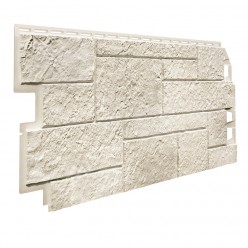
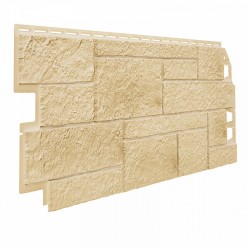
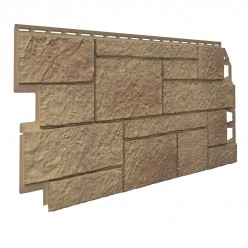
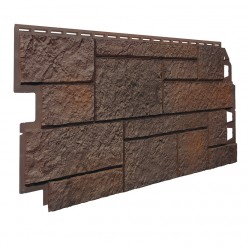
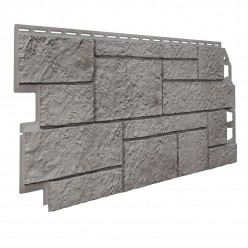
Придать внушительный и презентабельный вид малоэтажному строению жилого или административного характера позволят фасадные панели Vox Solid Sandstone.

  • Они гармонично объединяют в себе функциональность, привлекательность и практичность.
  • Быстро монтируются, скрадывая архитектурные недочёты стен и маскируя подведённые к зданию коммуникации.
  • Не создают проблем с последующим уходом за фасадом.
  • Обладают повышенной ударопрочностью и пожаростойкостью.
  • Обеспечивают тепло- и звукоизоляцию стен.
  • Лицевая часть панелей имитирует кладку из обработанного камня горных пород. Цветовая палитра соответствует природным оттенкам камня.
Вызов замерщика
Расчет и подбор материалов
Монтаж сайдинга и фасадных панелей
Консультации по уходу
Акции и скидки
Акция - 11%
Фасадная панель VOX Solid Sandstone Бежевый/Beige

720640/шт. 1 524 р/м²
Количество панелей на 1 м²: 3

5.0

На складе

Акция - 11%
Фасадная панель VOX Solid Sandstone Кремовый/CREME

720640/шт. 1 524 р/м²
Количество панелей на 1 м²: 3

5.0

На складе

Акция - 11%
Фасадная панель VOX Solid Sandstone Светло-коричневый/LIGHT BROWN

720640/шт. 1 524 р/м²
Количество панелей на 1 м²: 3 A control loop is a feedback loop that

5.0

На складе

Акция - 11%
Фасадная панель VOX Solid Sandstone Темно-коричневый/DARK BROWN
Хит продаж

720640/шт. 1 524 р/м²
Количество панелей на 1 м²: 3

5.0|7 заказов

На складе

Акция - 11%
Фасадная панель VOX Solid Sandstone Светло-серый/LIGHT GREY
Хит продаж

720640/шт. 1 524 р/м²
Количество панелей на 1 м²: 3

5.0|22 заказа

На складе

Акция - 11%
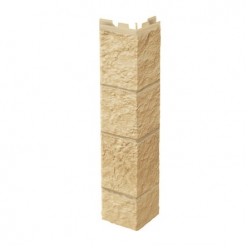
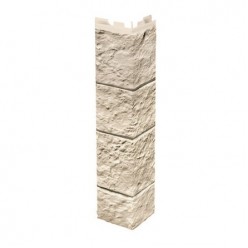
Угол наружный VOX Solid Sandstone (Песчаник), Кремовый
Акция - 11%
Угол наружный VOX Solid Sandstone (Песчаник), Бежевый
Акция - 11%
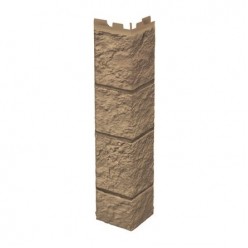
Угол наружный VOX Solid Sandstone (Песчаник), Темно-коричневый
Акция - 11%
Угол наружный VOX Solid Sandstone (Песчаник), Светло-коричневый
Акция - 11%
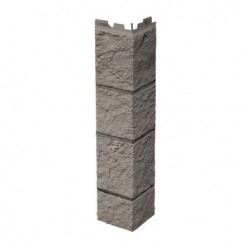
Угол наружный VOX Solid Sandstone (Песчаник), Светло-серый