


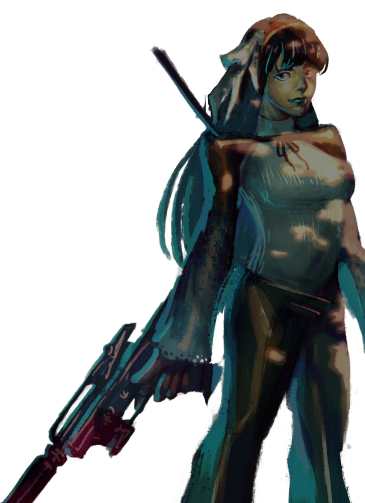

An upcoming Gameboy-style RPG! The Secret of Varonis features old-school combat mechanics and visuals faithful to the gaming heyday of 1989. If you're nostalgic for retro games, or just looking for a good, challenging RPG, this game is probably a good fit.
We'll be updating the devlog until our expected release in early 2023.
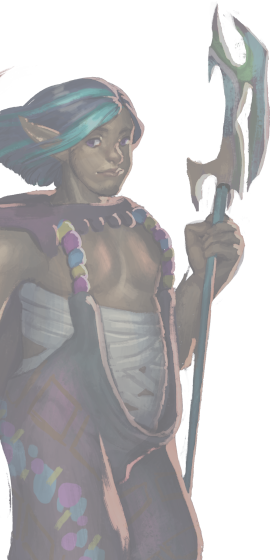
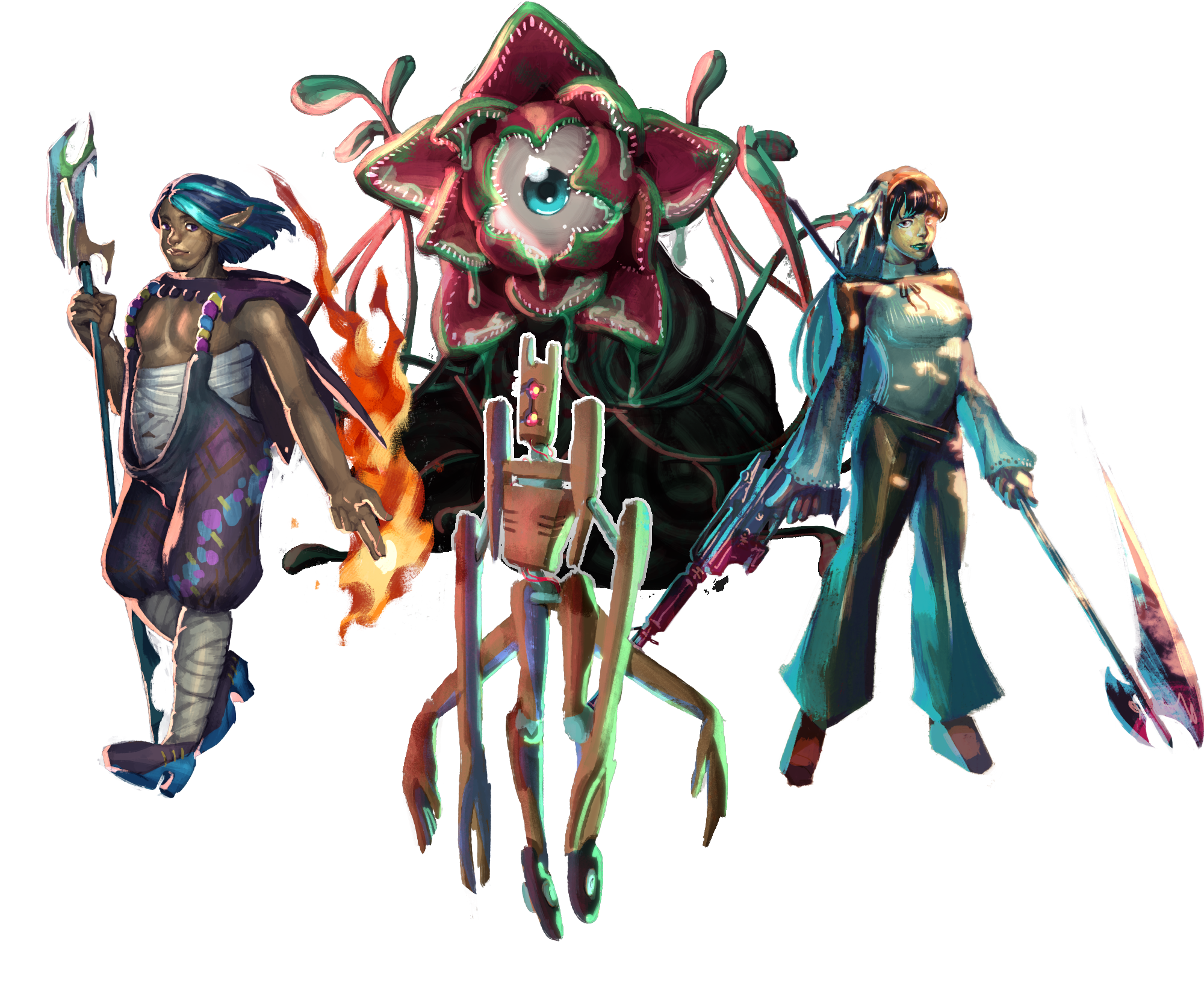
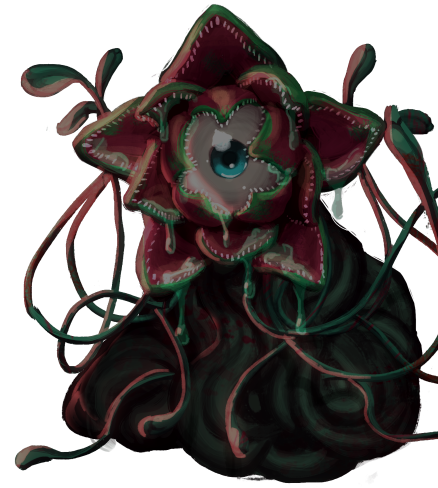
Customize your party to take on the secret city and the many trials beyond!
Interested in the project? Subscribe with your email and we'll mail you with any major announcements. We also update the devlog and twitter on a regular basis.
Online forums are littered with urban legends about this specific version. Some users claim it contained hidden “easter eggs” such as undeletable files named after viruses, a custom BIOS splash screen, or even backdoors intentionally left by the creators to remotely access users’ machines. While most of these claims are unsubstantiated, they contribute to the OS’s reputation as a “forbidden” or “dangerous” artifact. The “Rebirth” suffix further suggests a community-driven resurrection, implying that the original developers had moved on, only to return with a definitive, “final cut” version.
However, nostalgia must be tempered with pragmatism. The “Dark Edition” is not a viable operating system but a hazardous curiosity. For those who wish to experience its aesthetic, the only safe environment is an air-gapped virtual machine with no network access, purely for historical exploration. To use it as a daily driver would be to invite identity theft, data loss, and participation in a botnet. Ultimately, the legacy of Windows XP Dark Edition v7 Rebirth is less about its features and more about what it warns us: in the digital world, unverified modifications of critical system software are best left as folklore, not installed on real hardware. windows xp dark edition v7 rebirth
Windows XP Dark Edition v7 Rebirth is a fascinating digital artifact—a testament to the desire for personalization and performance optimization that Microsoft’s original product did not fully satisfy. It represents a unique moment in internet culture when anonymous developers could build and distribute full operating systems to an eager, tech-savvy audience. Online forums are littered with urban legends about
The Phantom Menace: Deconstructing the Mythology and Risks of Windows XP Dark Edition v7 Rebirth For those who wish to experience its aesthetic,
Windows XP Dark Edition v7 Rebirth was not a product of Microsoft, but of anonymous developers within the underground “OS-making” community, primarily active on forums like The Pirate Bay , Ru-Board , and various warez sites. These creators took the original Windows XP Service Pack 3 codebase and used customization tools (such as nLite and Resource Hacker) to heavily modify the user interface, system icons, sounds, and default themes.
The “Dark Edition” brand carries a certain mystique within tech subcultures. It is often associated with “hackers” in movies—not real security professionals, but the pop-culture archetype of a hoodie-wearing figure typing on a black screen with green text. The name implies power, exclusivity, and rebelliousness.
In the annals of operating system history, few releases have achieved the iconic status of Microsoft’s Windows XP. Launched in 2001, its stability and user-friendly interface made it a mainstay on personal computers for over a decade. Following its official end-of-life in April 2014, a peculiar digital ecosystem emerged: the “custom OS” scene. Among the most infamous and mythologized of these fan-made modifications is Windows XP Dark Edition v7 Rebirth . This essay examines the origins, purported features, cultural allure, and significant security risks of this unofficial operating system, arguing that while it represents a fascinating chapter in hacker folklore and user customization, its practical use is a dangerous exercise in digital archaeology.